Ahead of the Curve
Headlands Research Orlando specializes in diverse clinical trials and programs to help those affected by memory loss.
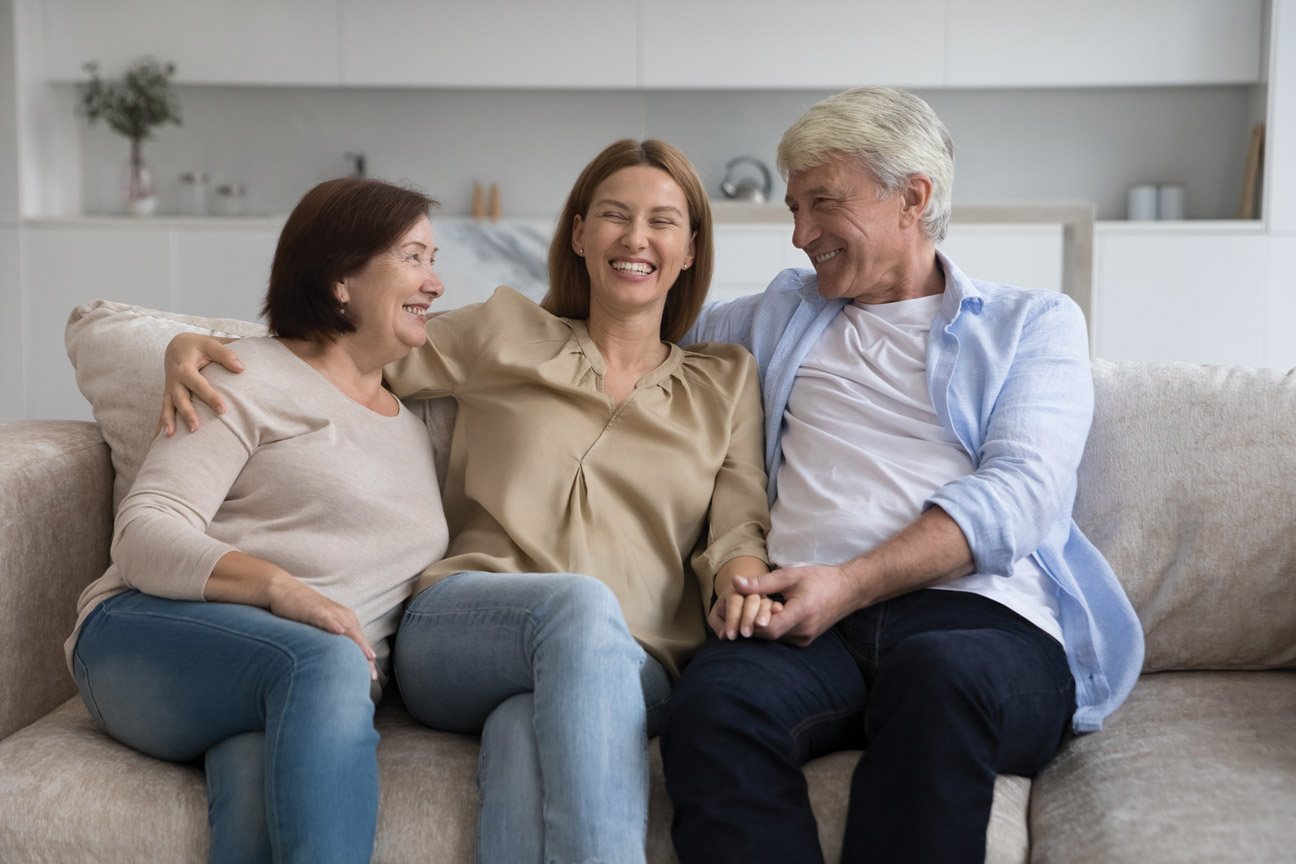 With the upcoming holiday season presenting opportunities for extended families to connect, it is the best time to collaborate with one another on how to best support a loved one experiencing cognitive changes.
Early signs of a neurodegenerative disease may be subtle and evade notice. Common signs include memory impairment; challenges with familiar tasks, planning and problem-solving; subtle tremors or slowed movements; getting lost in familiar places; abnormal behavior and uncharacteristic personality changes; and irregular sleep patterns, according to Dr. Uzma Khan, the principal investigator at Headlands Research Orlando.
“The holidays are a time when families come together for shared traditions and allow the perception of a loved one from multiple viewpoints. Family members comparing notes may help highlight patterns of concerning changes in memory, behavior or cognitive capacity,” she says. “Early evaluation helps to identify cognitive concerns and to intervene early. Some symptoms arise from treatable conditions like vitamin deficiencies, thyroid problems, depression, sleep disorders. Early identification and treatment can resolve these conditions swiftly.”
In cases of neurodegenerative disease like Alzheimer’s disease, Parkinson’s disease, and multiple sclerosis, early identification is still essential to maintaining or improving a person’s quality of life.
“In case of conditions such as Alzheimer’s dementia, some medications may help maintain quality of life longer when started early. Another important aspect of early evaluation is that it allows the affected person to participate in planning for their future while they still have the capacity to make decisions for themselves,” Dr. Khan says.
Her work at Headlands Research provides expert advice, support, and remarkable hope for the future with clinical research trials and potentially beneficial investigational treatments. As medicine and science evolve, observational discoveries turn into enhanced diagnostic mechanisms, an always-advancing understanding of the diseases studied, and improved treatments. A major part of Headlands’ research is focused on understanding disease heterogeneity to determine the variation in progression of symptoms and in treatment success between different individuals.
“Medical progress relies on clinical trial volunteers to translate scientific discoveries into treatments that help patients. Each volunteer is a partner in advancing science and hope for future generations,” says Dr. Khan. “Many participants report that active involvement in research provides a sense of purpose and control.”
Participants receive access to new treatments at no cost, including study-related medical visits, tests, and medications. They are also compensated for their time and travel. Getting started is as simple as reaching out, and entails zero obligation.
The process is collaborative, and encourages family involvement. The screening process provides in-depth information and vital education to help prospective participants make the best decision for them and their specific case. If there’s a mutual interest, a comprehensive assessment will be performed.
This can consist of “…standardized neuropsychological tests evaluating memory, attention, language, and executive function; functional assessments measuring ability to perform daily activities; advanced brain imaging such as MRI, PET scan when indicated; [and] CSF analysis or blood-based biomarker testing when appropriate,” according to Dr. Khan.
From there, if opting to participate, Headlands Research Orlando supplies a person with ongoing monitoring and support. It also offers support to their family, recognizing their emotional needs during this new stage. Headlands professionals relieve any stress of researching and navigating healthcare systems, and anything else that a participant and their caregivers may need. This includes connections to transportation and meal services, counselors, community services and respite care.
Dr. Khan advises maintaining their independence as long as safely possible, including them in family activities and decisions, and listening to their fears and concerns. When the time comes for professional help, as an inherently sensitive conversation, the approach takes planning and care.
“Choose an appropriate time and place. Have the conversation privately, when you are calm. Anticipate resistance; fear and denial are normal reactions to changes in one’s health. Avoid arguing. The subject can be revisited at a later date if you meet resistance. Above all, be patient—it may take multiple conversations to convince a loved one to seek professional help,” says Dr. Khan.
Solely the knowledge of a diagnosis can be onerous, but no individual or family has to face it alone with Headlands’ expertise, empathy and professionalism. If changes are noticed in a loved one’s demeanor at the Thanksgiving dinner table, discuss the options early for a chance to remain ahead of disease progression.
Headlands Research Orlando not only serves as a guiding light through what can be a tumultuous path, but it empowers individuals undergoing a neurodegenerative diagnosis to take control of their future while helping others.
Headlands Research Orlando
Orlando
(407) 705-3471
HeadlandsResearchOrlando.com