Prioritizing Pet Health
As 21st-century pets have enjoyed a rise in status as bona-fide family members, Central Florida’s veterinary professionals care for their animal patients with that same loving compassion.
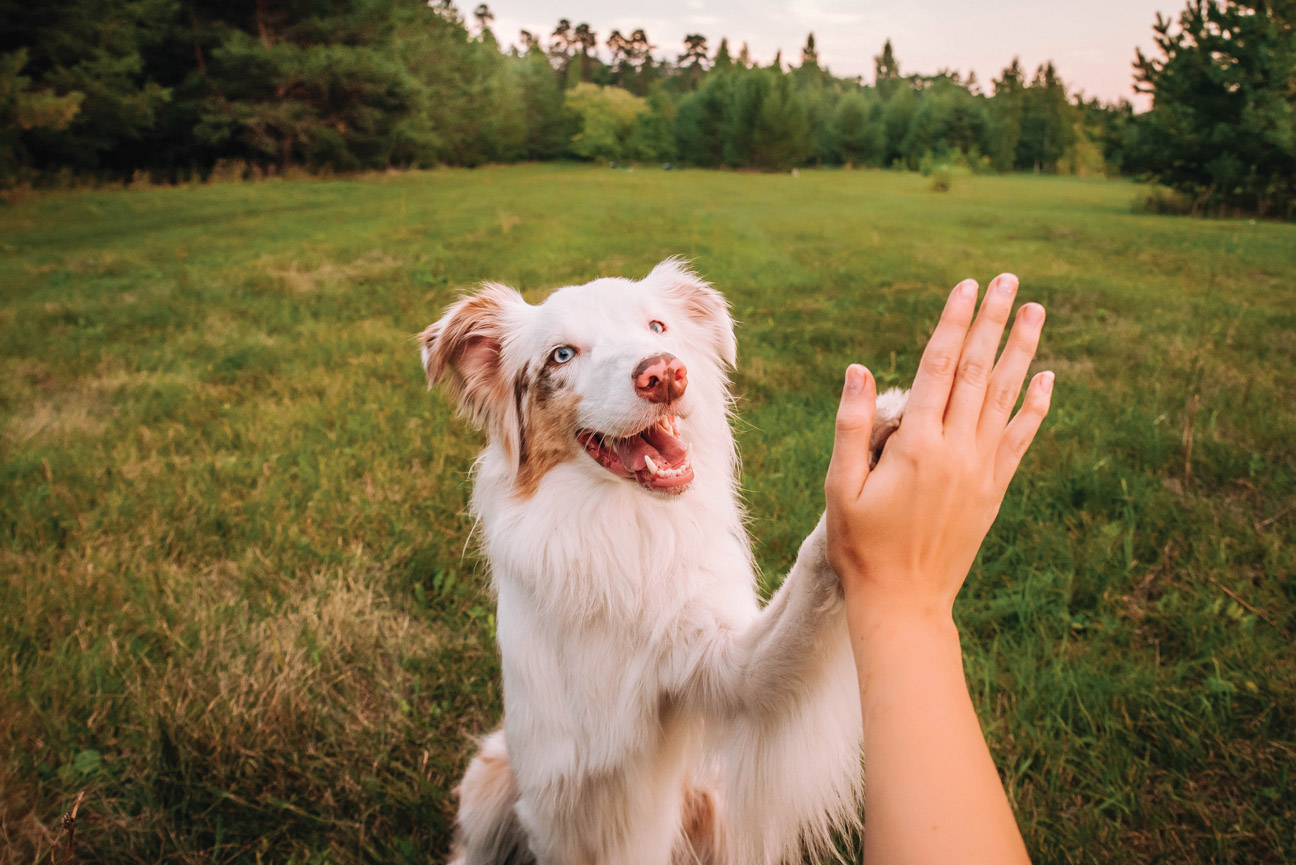
Long gone are the days when cats were exclusively outdoor animals and dogs spent their nights in bare-bones outdoor accommodations. Today’s animal companions are lovingly spoiled with stuffed-full toy boxes, human-grade food, and a dedicated spot on the living room couch or their humans’ beds.
Not unsurprisingly, pets’ ascent to treasured family members has not gone unnoticed by the veterinary professionals entrusted with fur children’s well-being. More and more families are pouring money and resources into providing long, healthy lives for their furry, featured and four-legged friends.
“Veterinary medicine has evolved significantly in response to how deeply people value their pets as family,” notes Dr. Naveen Kondru of Hamlin Animal Hospital. “Modern pet owners are far more proactive, often seeking specialty care, second opinions and advanced procedures such as oncology, orthopedics or even stem cell therapy. We’re seeing more clients willing to invest in preventive care and screening, pet insurance, and nutrition counseling, ensuring their animals enjoy the same quality of health care as their human family members.”
In fact, Animal Hospital at Baldwin Park’s Practice Manager Becki Bradley, CVT, and Assistant Practice Manager Harley Santiago note that since there’s typically fewer barriers to approving animal-centric care, some procedures and technologies are cleared for pet use before being integrated into human health care. And trends on the people side of modern medicine do make their way into the veterinary realm, like minimally invasive procedures that reduce the risk of infection while promoting a faster recovery period.
“The ozone therapy that we use internally and externally is great for helping oxygenation, blood flow, killing certain bacteria and wound care—it has antibacterial, antifungal, general antimicrobial properties to it, and because it’s so heavily oxygenated, it can help promote quicker healing,” Santiago explains. “We can do rectal insufflation, where we put ozone gas into the rectum and it is stored by the body to help with some healing and immune problems, as well as doing major autoimmune hemotherapy, which means we pull blood, ozonate the blood and return it to the body to help with healing, as well for the immune system. And we can also flush ears with ozone to help healing.”
Today’s pet parents also want assurance that, in addition to investing in cutting-edge technology and modern medical capabilities, the veterinary teams they trust will love, comfort and care for Fido and Fluffy just as whole-heartedly as their own families do.
“We use all of these technologies to help leverage and support the relationships that our vets and our team have with the patients and with our clients,” begins Bill Hess, practice manager for Winter Park Veterinary Hospital. “Pets are part of the family: Clients want them to be treated almost like people, and we’re very cognizant of not letting technology and some of these really cool advancements that we can bring to bear to help provide better care don’t replace human touch, which really makes a difference in the veterinary space.”
Establishing a good rapport with your pet’s health providers before an emergency strikes means their vet team is keenly tuned into their baseline behaviors and wellness. With the holidays’ tempting morsels and guests who might not know how to prioritize pet safety, Dr. Kondru notes that the most wonderful time of the year also poses certain risks to be aware of.
“The holidays bring unique risks for pets,” he confirms. “We advise owners to be especially mindful of: toxic foods like chocolate, grapes, raisins, onions, garlic, xylitol (found in sugar-free treats) and alcohol; decorations—tinsel, ribbons, ornaments and lights can cause choking or intestinal blockages; plants, especially poinsettias, lilies, holly and mistletoe, which are toxic if ingested; and guests and stress. Since unfamiliar people and noise can cause anxiety, [you should] provide a quiet, safe space for your pet.”
And while many vet visits are rooted more in annual checkups and preventative care than holiday hazards and other emergencies, those routine trips to the vet shouldn’t just be in-and-out stops for shots and general assessments: It’s a great time to keep building a relationship with your pet’s doctor so they can get a more complete snapshot of their overall health, any physical or behavioral changes, and a better sense of the animal’s personality.
Santiago and Bradley also note that “happy visits” just for your pet to say hi to the team, give the office a good sniff and sample a quick treat can help calm a pet who typically greets a trip to the animal hospital with anxiety or defensive aggression. But they also point out that it’s important to make sure your veterinarian specializes in care for your animal: As their practice recently welcomed an exotic-pet vet, they emphasize that the likes of birds, reptiles and small mammals benefit from the training and dedicated equipment that makes assessing and treating exotic critters’ nuanced needs.
“It’s really important for people to understand that, when they go out and get these small pets at PetSmart or Petco, that’s a life that needs medical care, too,” Bradley says. “They don’t always look at those animals like a dog or a cat, but they do need preventative care, they need medical care.”
After all, since animals age at a more accelerated rate than their human caretakers, every assessment, every vaccination and every blood test is critically important. Winter Park Veterinary Hospital’s Medical Director Caitrine Hellenga, DVM, notes that proactive conversations during those visits can be profoundly impactful and contribute to the preventative care that helps keep pets healthier longer.
“Wellness and annual exams aren’t just about vaccines: They’re about individualized pet care,” she points out. “The wellness exam—whether it’s annual or we even do six-month ones—is where the veterinarian, the pet parent and the pet are all in the room together. There’s a conversation, questions, answers, the doctor notices things and asks about them, the pet parent gets to ask questions, plans are made. … It’s a chance for us to get a snapshot of what the pet parent is seeing because we’re not in your home with you. That’s why, maybe a week before your vet visit, [you should] start keeping a list of things you want to talk about. If you come in unprepared, you’re just going to get general information as opposed to very specific guidance for your situation and pet.”
Pet Resources
Animal Hospital at Baldwin Park
Orlando | (407) 897-8555
AnimalHospitalAtBaldwinPark.com
Hamlin Animal Hospital
Winter Garden | (407) 872-7772
HamlinVet.com
Winter Park Veterinary Hospital
Winter Park | (407) 644-2676
WPVet.com